Africa's Agricultural Processing Equipment Platform

Local Cashew Processing Key to Unlocking Jobs and Export Revenue, Industry Group Says
Key Data Points
This story reports a measured change such as 10%. Figures like this show direction and scale, so it helps to keep them separate from the surrounding commentary.
- Change / rate: 10% The African Cashew Processors Group (ACPG) is calling on governments to prioritize domestic value addition, arguing that the continent loses enormous economic potential by exporting raw nuts instead of finished kernels.The Case…
Investing in local cashew processing could generate thousands of jobs and multiply export revenues for Africa, according to a leading industry body. The African Cashew Processors Group (ACPG) is calling on governments to prioritize domestic value addition, arguing that the continent loses enormous economic potential by exporting raw nuts instead of finished kernels.
The Case for Value Addition
Africa produces the majority of the world’s raw cashew nuts, yet less than 10% are processed on the continent. Most are shipped to Asia for shelling and peeling, then re-exported as consumer-ready kernels. This pattern denies African nations the higher prices that processed nuts command—often two to three times the value of raw nuts—and leaves them vulnerable to price fluctuations in global commodity markets.
Processing locally would allow countries to capture more of the value chain. Beyond the kernel, byproducts like cashew nut shell liquid (CNSL) and cashew apple can be monetized, creating entirely new revenue streams. Industry advocates stress that building processing infrastructure is not just about economics; it strengthens food sovereignty and reduces reliance on external supply chains.
Employment and Economic Multipliers
Cashew processing is highly labor-intensive, especially during peeling and grading stages. A single medium-sized processing plant can employ hundreds of workers, most of whom are women in rural areas where alternative formal employment is scarce. The ripple effects extend to transportation, packaging, and maintenance services, amplifying the local economic impact.
Economists note that each processing job can support up to three indirect livelihoods. In countries like Côte d’Ivoire and Ghana, pilot processing projects have demonstrated how village-level operations can stem urban migration and stabilize communities. The ACPG emphasizes that with proper investment, the sector could become a cornerstone of rural industrialization across West and East Africa.
Overcoming Barriers to Local Processing
Despite the clear benefits, several obstacles have kept Africa’s processing rates low. Access to affordable financing remains a major hurdle, as banks often perceive agro-processing as high-risk. Inconsistent electricity supply and outdated equipment further increase operational costs, making it difficult to compete with Asian processors operating at scale.
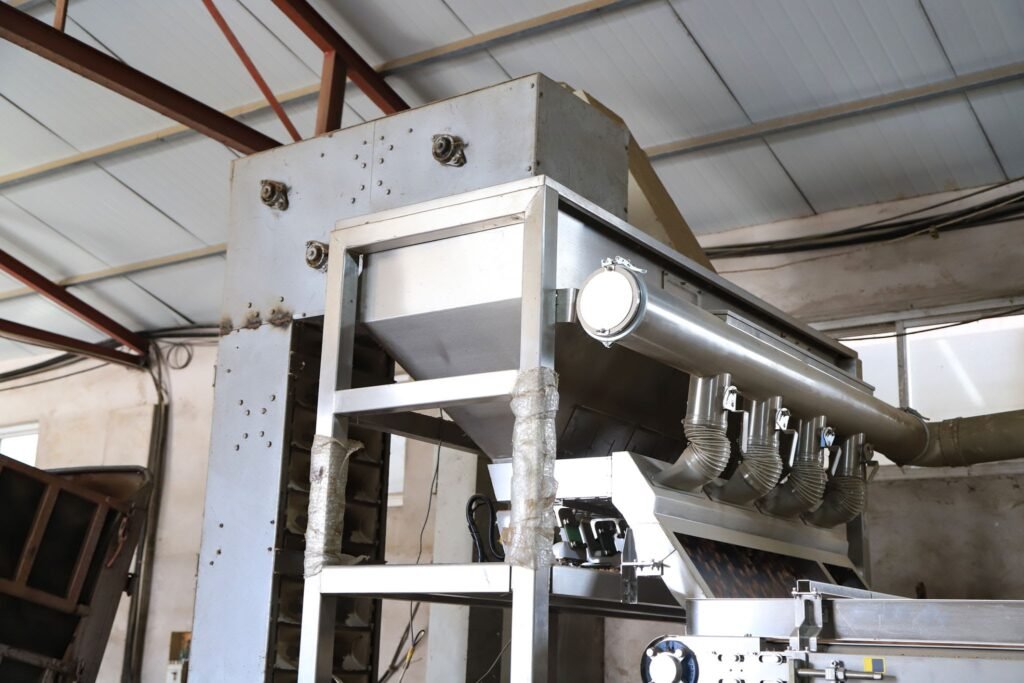
Modern processing lines require specialized equipment such as automatic Cashew Nut Shelling Machines and precision Cashew Kernel Grading Machines to ensure quality and efficiency. The ACPG is pushing for public-private partnerships and targeted incentives—such as tax breaks for processing equipment imports—to lower the entry barrier. Training programs for machine operators and quality control personnel are also seen as critical to sustaining the industry.
With global demand for cashew kernels rising steadily, the window for African nations to establish robust local processing industries is narrowing. Swift, coordinated action by governments, development finance institutions, and private investors will determine whether the continent can finally unlock the full potential of its cashew harvest.
Why This Matters
The push for local cashew processing is part of a broader trend toward agro-industrialization in Africa. By adding value domestically, producer countries can reduce raw commodity dependence, create stable rural employment, and retain more foreign exchange. This shift could reshape global cashew supply chains and challenge the dominance of traditional processing hubs in Asia.
Sources
FAQ
What does the reported change in this cashew nut processing story mean?
A percentage or rate of change shows direction and momentum, but its meaning depends on the baseline and period being measured. The original report explains what the figure is compared against.
What is this cashew nut processing story about?
It summarises a recent development in cashew nut processing, drawing on the original reporting. The key facts — who is involved, what changed and any figures or dates attached — are highlighted so the story is quick to grasp.
Why does this cashew nut processing development matter?
The significance lies in what it signals: a notable figure, a decision, or a shift that affects the people, places or organisations named. Those are the points worth following as the story continues.
How current is this cashew nut processing information?
This article was published on June 19, 2026. News changes quickly, so use it as a starting point and check the named source for later corrections, revised figures or follow-up reporting.
Is this cashew nut processing report confirmed?
It reflects what the cited reporting stated at the time, which can be preliminary. For anything consequential, comparing two or more independent reports is the most reliable way to confirm the details.
Who and where is involved in this cashew nut processing story?
The article identifies the main organisations, people and locations tied to the development. Those named entities are the anchors for following how the story evolves across later coverage.