Africa's Agricultural Processing Equipment Platform

Increase cashew yield to meet domestic demand for kernels, says former KCMA chairman
Facts and Figures
This story carries monetary or market figures such as 1.5 million, 60% and 8%. They are the kind of detail worth noting up front, then confirming against the original report for exact amounts and scope.
- Market value: 1.5 million These shortcomings force India’s processing sector, which has an installed capacity exceeding 1.5 million tonnes per year, to import raw nuts from countries like Ivory Coast, Tanzania, Benin, and Vietnam.
- Change / rate: 60% Industry estimates suggest that nearly 60% of the raw material needed by processors now arrives from African and Southeast Asian origins, highlighting a structural deficit that the former chairman of the Karnataka…
- Change / rate: 8% Domestic demand pressures Cashew Cooking Machine Consumption of cashew kernels in India has grown at a compound annual rate of roughly 8% over the last decade, driven by rising disposable incomes, changing…
- Scale / volume: 300,000 India’s annual requirement for cashew kernels has climbed past the 300,000-tonne mark, yet domestic raw nut production struggles to supply even half of that volume.
- Scale / volume: 1,500 Yield gap and import dependence Cashew Nut Shelling Machine Raw cashew nut yields in India average between 700 and 800 kilograms per hectare, far below the 1,500 to 2,000 kilograms seen in…
India’s annual requirement for cashew kernels has climbed past the 300,000-tonne mark, yet domestic raw nut production struggles to supply even half of that volume. Industry estimates suggest that nearly 60% of the raw material needed by processors now arrives from African and Southeast Asian origins, highlighting a structural deficit that the former chairman of the Karnataka Cashew Manufacturers Association (KCMA) believes can only be bridged by raising yields in Indian orchards.
Domestic demand pressures
Consumption of cashew kernels in India has grown at a compound annual rate of roughly 8% over the last decade, driven by rising disposable incomes, changing dietary habits, and a booming snack and confectionery sector. This steady surge has transformed the country into the world’s largest cashew consumer, but domestic production of raw cashew nuts has not kept pace. Farmers in traditional growing belts such as Kerala, Karnataka, Goa, and Maharashtra face aging trees, inconsistent husbandry practices, and vulnerability to pest and disease outbreaks, all of which suppress orchard productivity.
The KCMA, a body representing hundreds of small and medium processors, has long warned that reliance on imported raw nuts leaves the industry exposed to price volatility and supply chain disruptions. Its former chair emphasized that while imports will remain necessary, boosting homegrown output is critical for long-term stability and for keeping kernel prices within reach of Indian consumers.
Yield gap and import dependence
Raw cashew nut yields in India average between 700 and 800 kilograms per hectare, far below the 1,500 to 2,000 kilograms seen in some other producing nations. Low yields stem from multiple factors: limited use of high-yielding varieties and clonal planting material, inadequate irrigation during critical flowering and fruit set phases, and suboptimal post-harvest handling that reduces the quality and quantity of marketable nuts.
These shortcomings force India’s processing sector, which has an installed capacity exceeding 1.5 million tonnes per year, to import raw nuts from countries like Ivory Coast, Tanzania, Benin, and Vietnam. Import volumes have doubled over the past decade, and processors often operate at thin margins when global raw nut prices spike. The former KCMA chairman argued that even a modest yield improvement could significantly cut the import bill and strengthen the entire value chain.
The case for higher yields
Increasing orchard productivity is not solely about planting more trees. It requires a comprehensive package of interventions: rejuvenating senile orchards through canopy management and grafting, introducing region-specific clones that offer higher kernel output and disease resistance, and training farmers in modern agronomic practices. Pest pressure—especially from the cashew stem and root borer—remains a major threat that demands coordinated surveillance and control.
Government and industry bodies have initiated schemes to distribute improved planting material and subsidize inputs, but adoption has been uneven. The former chair noted that scaling up such efforts, combined with better access to credit and market linkages, could persuade farmers to invest in their orchards. Higher yields would also make cashew farming more attractive to the next generation, countering the trend of land being diverted to other crops.
Processing capacity under strain
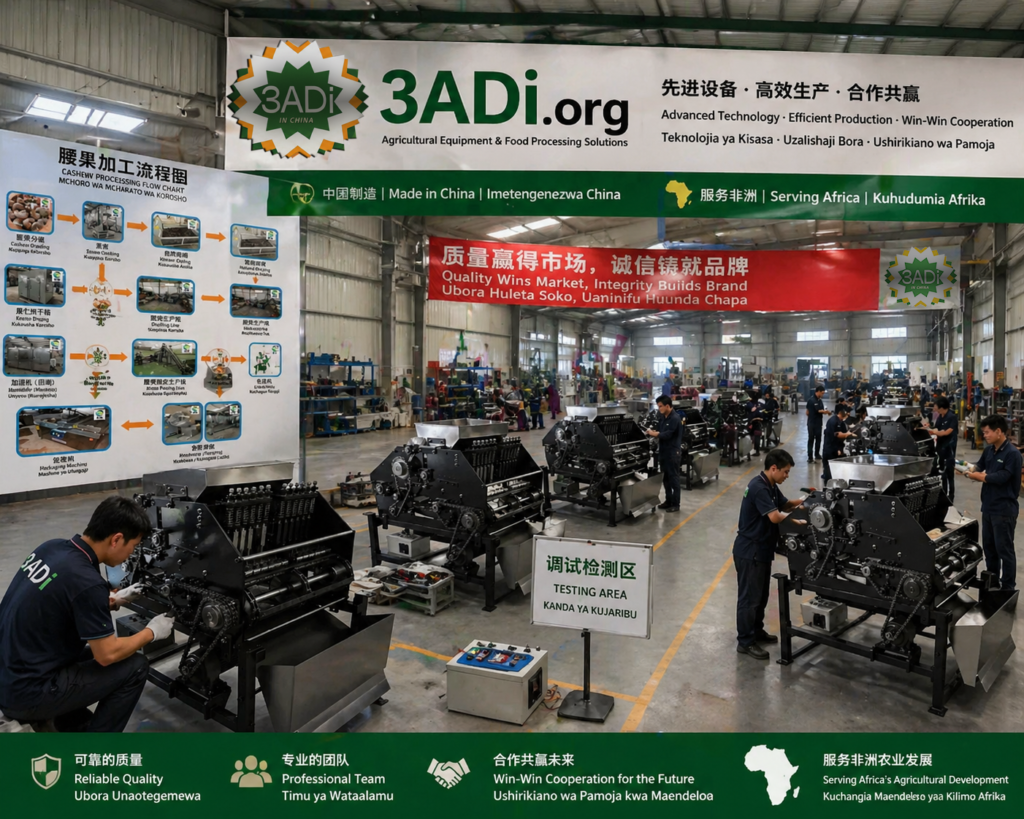
Even as the raw material challenge persists, India’s processing infrastructure has grown more sophisticated. Raw cashew nuts undergo initial grading by size to ensure uniform processing, employing machines such as the Raw Cashew Nut Grading Machine that separate nuts into size categories before cooking. Cooking softens the shells, and modern facilities use Automatic Cashew Cooking Machines that maintain precise temperature and moisture profiles for consistent results.
After cooking, Cashew Nut Shelling Machines extract the kernel with high efficiency and low breakage, feeding the subsequent peeling, grading, and sorting stages. However, this capacity remains underutilized when raw nut supplies are erratic. Processors argue that a reliable domestic raw material stream would allow them to run plants at full capacity, lowering per-unit costs and improving overall competitiveness.
Path forward
Industry voices like that of the former KCMA chairman are calling for a coordinated national mission on cashew, akin to the efforts that boosted productivity in other horticultural crops. Key elements would include establishing model nurseries, expanding drip irrigation coverage, and deploying mobile extension services to reach remote orchards. Private sector involvement in contract farming and buy-back arrangements could further incentivize quality production.
Improved yields would not only meet kernel demand but also generate employment in rural areas, where cashew processing provides livelihoods for millions, predominantly women. With global demand for cashew kernels projected to remain strong, India’s ability to narrow the yield gap will determine whether it remains a dominant processor or cedes ground to emerging players that have been aggressively expanding both orchard area and productivity.
Why This Matters
The call highlights a critical vulnerability in India’s cashew processing sector—the over-reliance on imported raw nuts. As global demand for kernels grows, securing domestic raw material through yield improvements can stabilize prices, strengthen rural livelihoods, and reduce supply chain risks, reinforcing India’s position as the world’s leading processor.
Sources
FAQ
What does the reported change in this raw cashew kernel story mean?
A percentage or rate of change shows direction and momentum, but its meaning depends on the baseline and period being measured. The original report explains what the figure is compared against.
What is this raw cashew kernel story about?
It summarises a recent development in raw cashew kernel, drawing on the original reporting. The key facts — who is involved, what changed and any figures or dates attached — are highlighted so the story is quick to grasp.
Why does this raw cashew kernel development matter?
The significance lies in what it signals: a notable figure, a decision, or a shift that affects the people, places or organisations named. Those are the points worth following as the story continues.
How current is this raw cashew kernel information?
This article was published on June 19, 2026. News changes quickly, so use it as a starting point and check the named source for later corrections, revised figures or follow-up reporting.
Is this raw cashew kernel report confirmed?
It reflects what the cited reporting stated at the time, which can be preliminary. For anything consequential, comparing two or more independent reports is the most reliable way to confirm the details.
Who and where is involved in this raw cashew kernel story?
The article identifies the main organisations, people and locations tied to the development. Those named entities are the anchors for following how the story evolves across later coverage.