
Africa’s cashew industry is entering a new phase.
For many years, the continent has been known primarily as a supplier of raw cashew nuts. Today, however, there is a clear shift toward local processing, driven by rising global demand, policy support, and the need for higher value creation.
But while the opportunity is real, success in cashew processing depends on understanding both the market and the practical realities on the ground.
Growing Demand for Processed Cashew Kernels
Global consumption of cashew kernels continues to rise due to:
- Increasing demand for healthy snacks
- Growth in food processing industries
- Expansion of retail and export markets
This creates a strong pull for processed products rather than raw nuts.
From a business perspective, this means one thing:
Value is captured at the processing stage, not at the raw material stage.
Africa’s Position: Strong Supply, Limited Processing
Africa produces a significant share of the world’s raw cashew nuts, yet only a portion is processed locally.
This imbalance presents a major opportunity:
- Raw nuts are exported at lower prices
- Processed kernels are imported or sold at much higher value
Bridging this gap through cashew nut processing plants can significantly improve local economies and industrial capacity.
What It Takes to Build a Processing Operation
Setting up a cashew processing unit is not just about buying machines. It requires a combination of:
- Raw material sourcing
- Process design
- Equipment selection
- Skilled labor
- Market access
A typical processing line includes multiple stages such as grading, cooking, shelling, drying, peeling, and packing.
Each step must be carefully managed to maintain product quality and profitability.
Technology Is Changing the Industry
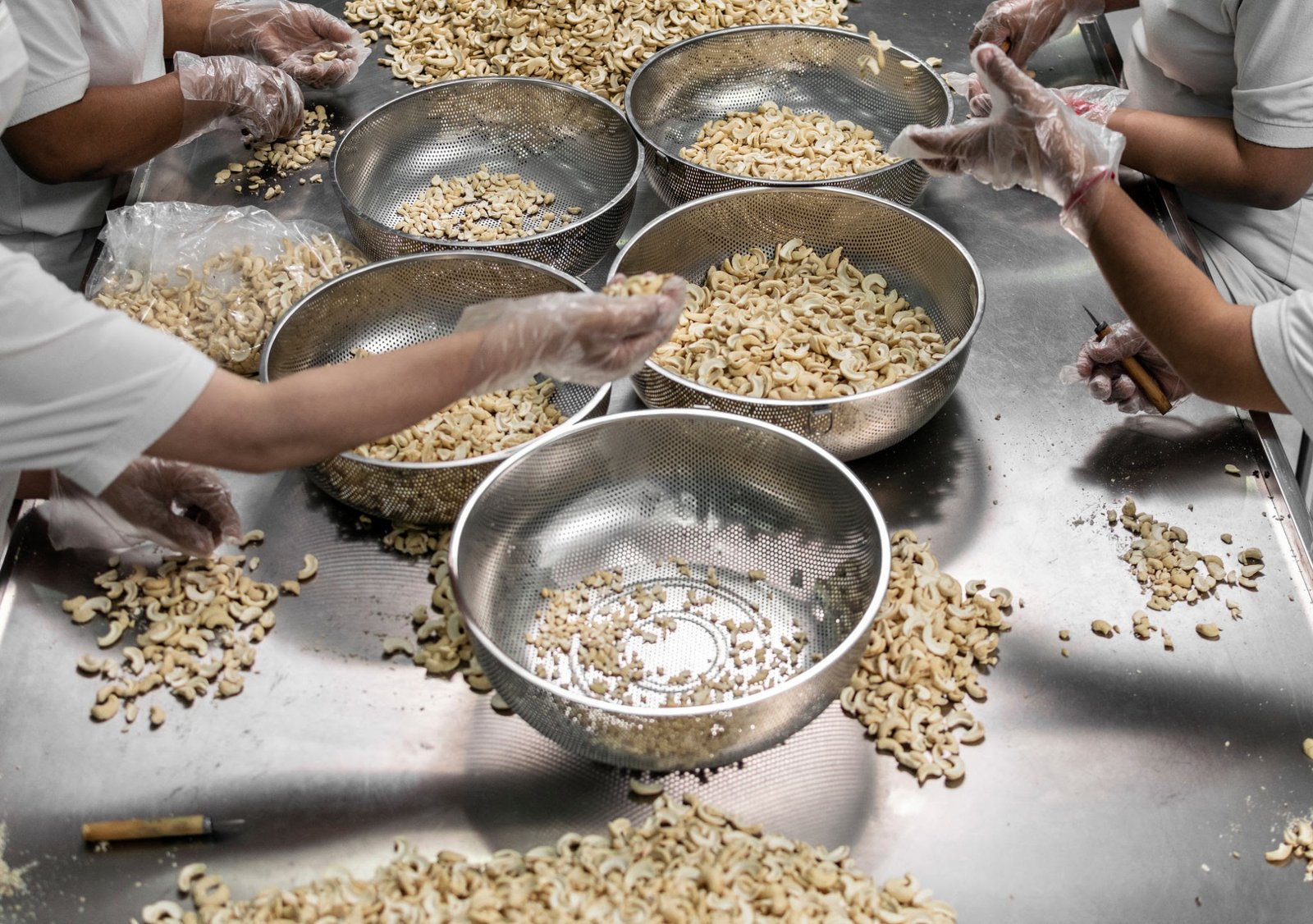
Traditionally, cashew processing has relied heavily on manual labor. While this approach is still common, it is gradually being replaced or supported by machines.
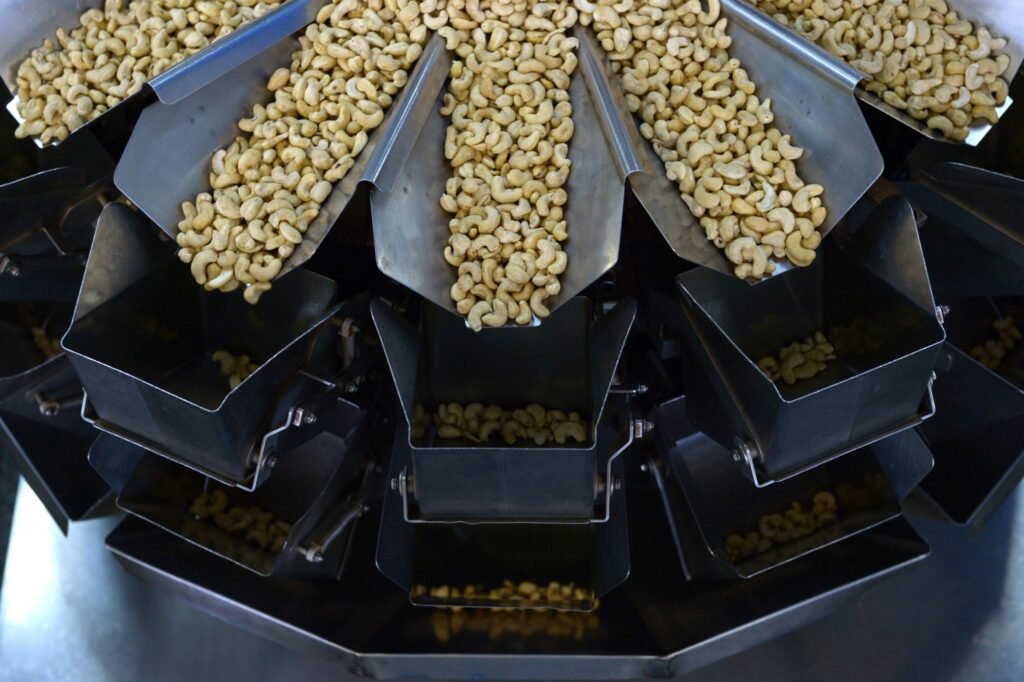
Modern cashew processing machines offer:
- Higher efficiency
- Lower kernel breakage
- More consistent product quality
- Better scalability
Key equipment includes:
- Cashew cutting machine
- Cashew shelling machine
- Cashew peeling machine
- Cashew grading machine
- Cashew dryer machine
- Cashew packing machine
These machines are among the most searched globally, reflecting growing demand from processors and investors.
Investment Trends: From Small Scale to Industrial Plants
One noticeable trend is the diversity of investment levels.
Small-Scale Processing Units
- Lower initial investment
- Suitable for local markets
- Higher reliance on manual labor
Semi-Automatic Lines
- Balanced cost and efficiency
- Suitable for growing businesses
- Gradual upgrade path
Fully Automatic Cashew Processing Plants
- High capacity and efficiency
- Lower long-term labor costs
- Designed for export-oriented operations
Search behavior shows increasing interest in:
- cashew processing machine price
- automatic cashew processing machine
- cashew nut processing plant cost
This indicates that more investors are actively evaluating entry into the industry.
Common Challenges Investors Face
Despite the opportunity, many projects struggle due to:
1. Poor Process Planning
Without a proper layout and workflow, even good machines cannot perform efficiently.
2. Wrong Equipment Selection
Choosing machines that do not match capacity or raw material conditions leads to inefficiencies.
3. Lack of Technical Knowledge
Operators may not fully understand how to optimize cooking, drying, or peeling processes.
4. Underestimating Operating Costs
Energy, labor, and maintenance costs are often overlooked.
Practical Solutions for Sustainable Processing
To build a successful operation, a more practical approach is needed:
Start with the Right Scale
Avoid over-investment at the beginning. Start with a scalable system.
Focus on Yield and Quality
Even small improvements in whole kernel rate can significantly increase profits.
Adopt a Hybrid Approach
Combine manual labor with key machines (e.g., shelling and peeling) to balance cost and efficiency.
Plan for Expansion
Choose equipment and layouts that allow future upgrades.
The Role of Integrated Project Support
This is where integrated solutions become important.
Instead of treating each machine separately, many successful processors now look for:
- Complete cashew processing plant design
- Equipment matching and layout planning
- Technical training and support
- Long-term upgrade pathways
This approach reduces risk and improves overall project success.
Looking Ahead: The Future of Cashew Processing in Africa
The direction of the industry is clear:
- More local processing
- Increased use of machinery
- Stronger integration into global markets
However, growth will not happen automatically. It will depend on:
- Smart investment decisions
- Practical implementation strategies
- Collaboration between stakeholders